
The Essential Guide to Cold Drawn Seamless Tubing in Construction
2025-01-04


One of the primary advantages of cold drawn seamless tubing is its superior strength-to-weight ratio. When compared to welded tubing, seamless tubing is less likely to fail under pressure, making it the preferred choice for high-stress applications such as scaffolding, structural supports, and piping systems. The absence of seams eliminates weak points, allowing for a more uniform distribution of stress throughout the material.
In addition to its strength, cold drawn seamless tubing offers exceptional resistance to corrosion and wear, which is particularly beneficial in environments exposed to harsh weather conditions or chemicals. This characteristic extends the lifespan of the materials and reduces the need for frequent replacements, ultimately resulting in cost savings for construction projects.
Another significant benefit of cold drawn seamless tubing is its versatility. It can be manufactured in a variety of sizes and specifications, allowing professionals to select the most suitable option for their specific needs. The tubing can also be easily customized with different surface finishes and coatings to enhance its aesthetic appeal and functionality.
When selecting cold drawn seamless tubing for a project, it's essential to consider various factors, including the intended application, load-bearing requirements, and environmental conditions. Consulting with a knowledgeable supplier or engineer can provide valuable insights into the best choices available.
Moreover, the manufacturing process itself adheres to stringent quality control standards, ensuring that each tube meets industry requirements and performs reliably. Understanding these standards can help professionals make informed decisions about their material choices, ultimately leading to higher-quality construction results.
In summary, cold drawn seamless tubing is a vital material in the construction and decorative materials industry, known for its strength, durability, and versatility. By incorporating this type of tubing into their projects, professionals can enhance structural integrity and aesthetic appeal while also benefiting from long-term cost effectiveness.
TAG:
Related Posts
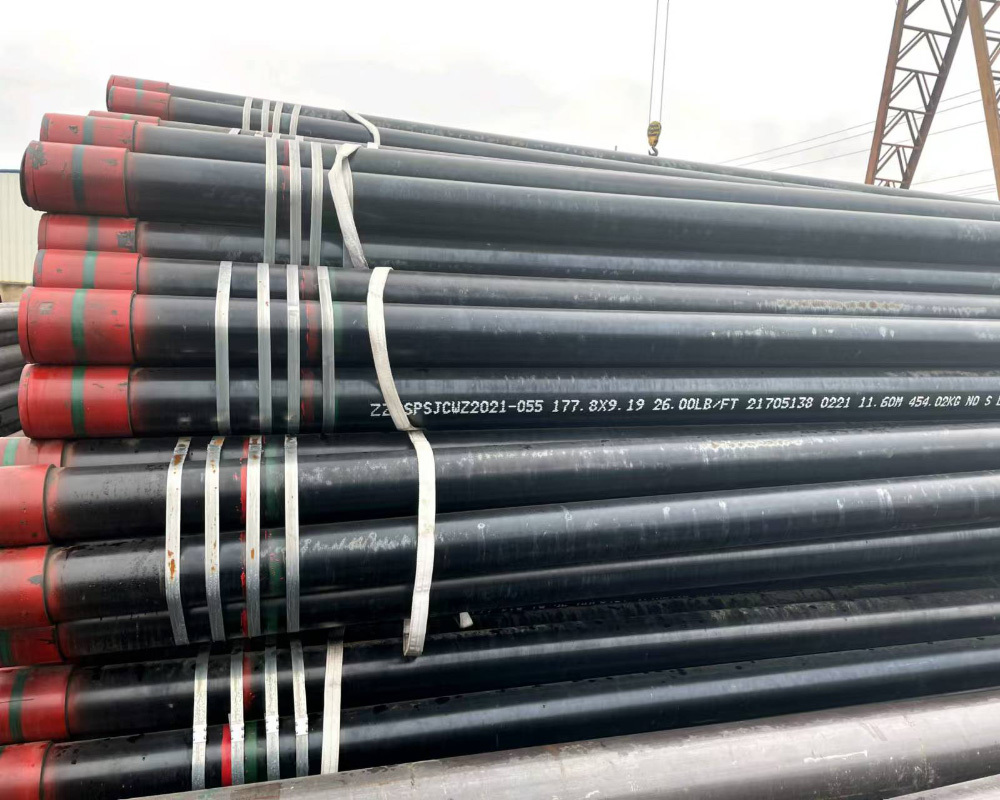
The Role of A106 Seamless Pipe in Enhancing Structural Integrity

MESSAGES
We will contact you within one working day. Please pay attention to your email.

Xindian Town, Cangzhou City, Hebei Province, China.
COOKIES
Our website uses cookies and similar technologies to personalize the advertising shown to you and to help you get the best experience on our website. For more information, see our Privacy & Cookie Policy
COOKIES
Our website uses cookies and similar technologies to personalize the advertising shown to you and to help you get the best experience on our website. For more information, see our Privacy & Cookie Policy
These cookies are necessary for basic functions such as payment. Standard cookies cannot be turned off and do not store any of your information.
These cookies collect information, such as how many people are using our site or which pages are popular, to help us improve the customer experience. Turning these cookies off will mean we can't collect information to improve your experience.
These cookies enable the website to provide enhanced functionality and personalization. They may be set by us or by third-party providers whose services we have added to our pages. If you do not allow these cookies, some or all of these services may not function properly.
These cookies help us understand what you are interested in so that we can show you relevant advertising on other websites. Turning these cookies off will mean we are unable to show you any personalized advertising.