
Understanding 4140 Seamless Tubing: A Comprehensive Guide for Construction and Decorative Material Applications
2025-02-15


One of the standout features of 4140 seamless tubing is its composition. It is a chromium-molybdenum alloy steel that typically contains about 0.40% carbon, which contributes to its hardenability and strength. This makes it particularly resistant to wear and tear, ensuring a longer lifespan in demanding environments. As such, 4140 seamless tubing is often utilized in applications requiring high impact strength and resistance to fatigue, such as in the fabrication of structural supports and frameworks.
In the construction industry, the use of 4140 seamless tubing extends to various elements including support beams, handrails, and decorative features. Its seamless nature means that the tubing has no welds or joints, ensuring a uniform structure that can withstand high levels of stress. This is particularly important in large-scale projects where structural integrity is critical.
Another advantage of using 4140 seamless tubing is its versatility in machining and fabrication. The material can be easily shaped and cut to meet specific project requirements, allowing for a wide range of applications. Moreover, it responds well to heat treatment processes, enhancing its mechanical properties and making it suitable for demanding construction projects.
In terms of aesthetic value, 4140 seamless tubing can also be finished in various ways, allowing it to blend seamlessly into both modern and traditional architectural designs. Whether used as a structural element or for decorative purposes, its robust appearance adds an industrial chic touch to any building.
When considering the use of 4140 seamless tubing in your construction or decorative projects, it’s essential to keep in mind its specific properties and benefits. This material not only provides strength and durability but also offers flexibility in design and application. Its ability to withstand harsh conditions while maintaining structural integrity makes it a reliable choice for contractors and builders alike.
In summary, 4140 seamless tubing is a highly regarded material in the construction and decorative materials industry. Its unique properties make it suitable for a variety of applications, ensuring that it meets the demands of both structural integrity and aesthetic appeal. Whether you are considering it for a large construction project or a decorative feature, understanding the benefits of this material is crucial for making informed decisions in your building endeavors.
TAG:
Related Posts
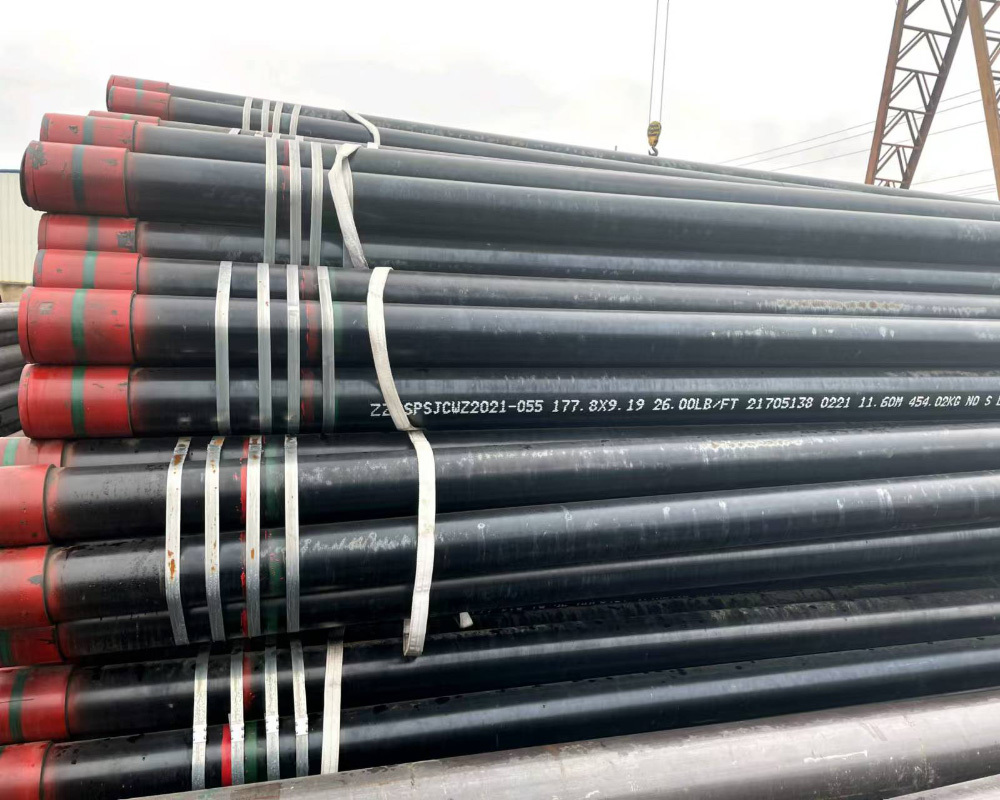
The Role of A106 Seamless Pipe in Enhancing Structural Integrity

MESSAGES
We will contact you within one working day. Please pay attention to your email.

Xindian Town, Cangzhou City, Hebei Province, China.
COOKIES
Our website uses cookies and similar technologies to personalize the advertising shown to you and to help you get the best experience on our website. For more information, see our Privacy & Cookie Policy
COOKIES
Our website uses cookies and similar technologies to personalize the advertising shown to you and to help you get the best experience on our website. For more information, see our Privacy & Cookie Policy
These cookies are necessary for basic functions such as payment. Standard cookies cannot be turned off and do not store any of your information.
These cookies collect information, such as how many people are using our site or which pages are popular, to help us improve the customer experience. Turning these cookies off will mean we can't collect information to improve your experience.
These cookies enable the website to provide enhanced functionality and personalization. They may be set by us or by third-party providers whose services we have added to our pages. If you do not allow these cookies, some or all of these services may not function properly.
These cookies help us understand what you are interested in so that we can show you relevant advertising on other websites. Turning these cookies off will mean we are unable to show you any personalized advertising.